

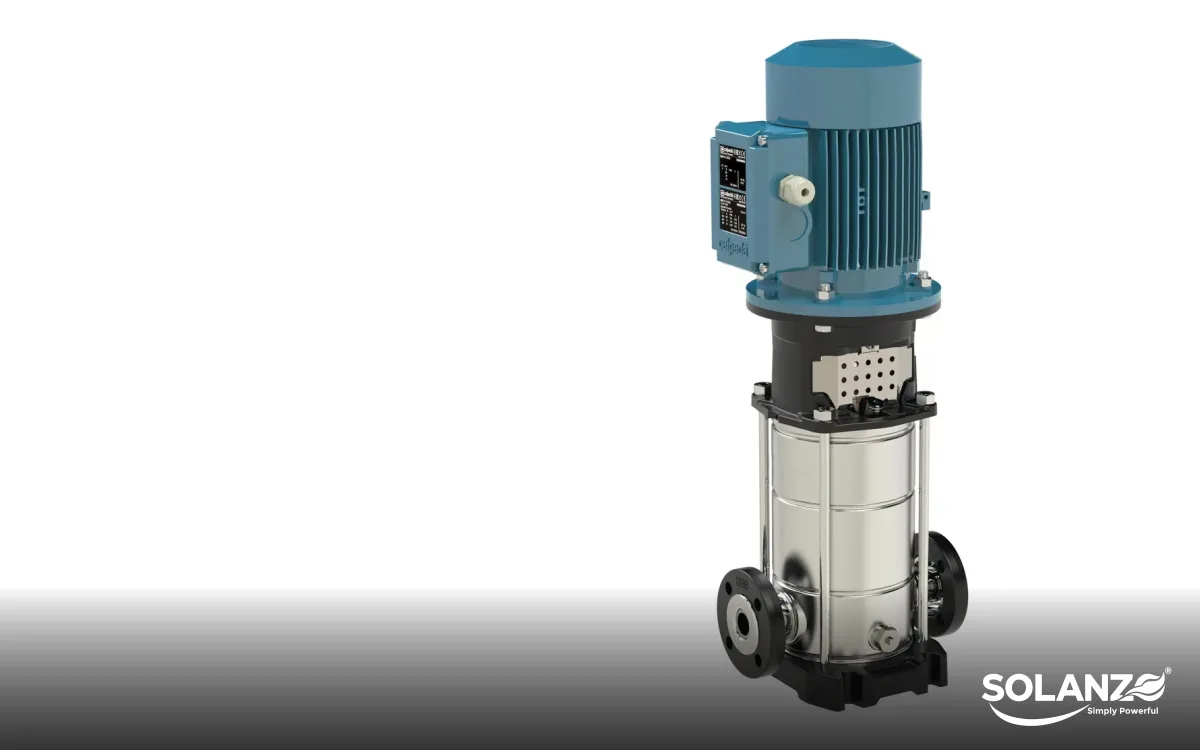
A decade after motors got their IE efficiency classes, the regulation of pumps themselves keeps tightening. The EU's ecodesign requirements for rotodynamic water pumps, built on the Minimum Efficiency Index, have progressively raised the floor for what may be sold, and further scope extensions continue through this decade.
What MEI actually measures
Rather than rating a single point, MEI looks at the whole efficiency surface: the pump must clear a minimum index across its operating range, or it cannot carry CE marking for the EU market. The effect has been the quiet disappearance of the least efficient hydraulics from catalogues, which is the point of the regulation.
What buyers should take from it
- Compliance is now a filter, not a differentiator. Anything legally sold meets the floor; the meaningful comparison happens above it, at your actual duty point.
- Installed stock is the real opportunity. Regulation cleans up new sales but changes nothing in the field, where the least efficient pumps still run. An efficiency audit of continuous-duty units often finds retrofits that pay back inside two or three years.
- Scope keeps widening. Extended product approaches, regulating the pump plus motor plus drive as a unit, are the direction of travel. Buying efficiency at the component level is becoming buying it at the system level.
The direction is consistent and we welcome it: the efficiency of the installed base matters more than the efficiency of the brochure, and regulation keeps moving the floor underneath the market upward.