

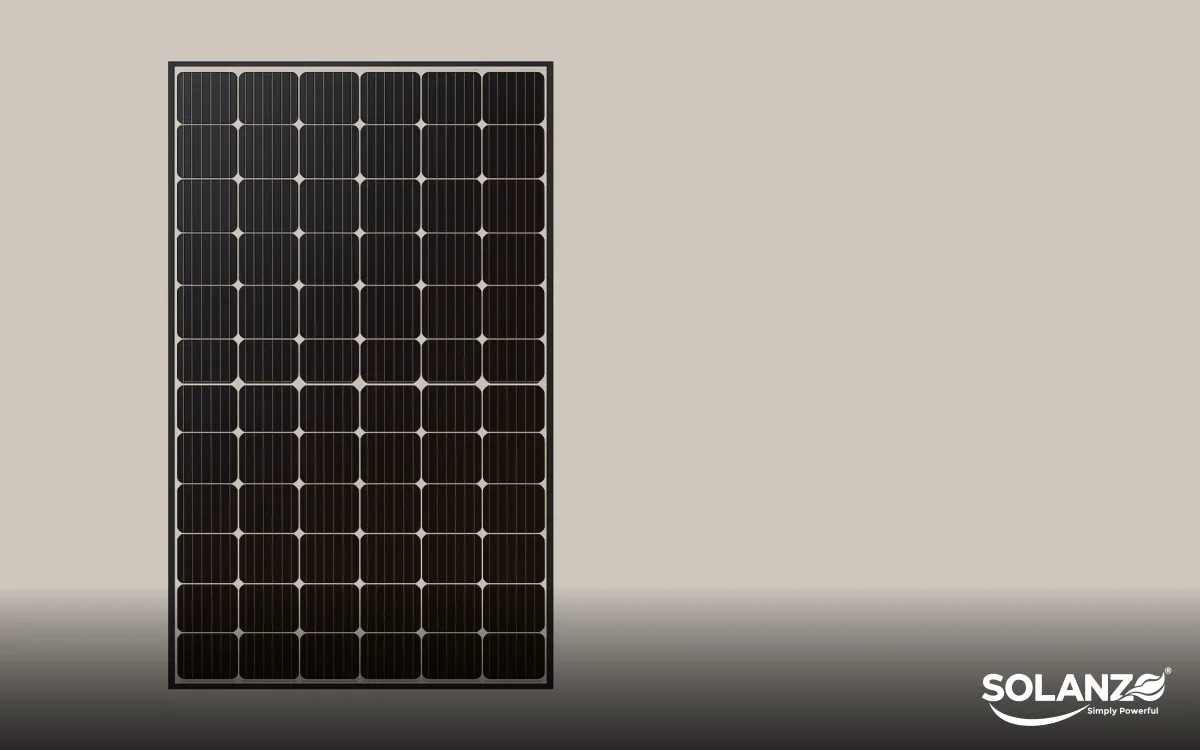
Two decades ago we installed our first solar pumping systems with panels that cost more than the rest of the installation combined. Today the modules are the cheapest line item. That inversion has a consequence worth stating: the next gains in solar pumping will not come from panel prices.
Where the improvement now lives
- System integration. Array, inverter and pump engineered as one unit, sized and tuned together, are squeezing out the mismatch losses that separate-component projects still carry.
- Smarter grid interaction. As tariffs become time-variable, pumping systems that shift their demand into cheap, sunny hours get better economics without changing hardware. The pump becomes a flexible load, which is a genuinely new role.
- Storage logic, not storage hardware. Water storage keeps winning over batteries on cost; the gains now are in how intelligently systems decide when to pump, not in what stores the result.
What stays the same
The physics of the well and the duty of the pump. Head still decides the array, water demand still decides the tank, and a bad installation still defeats good equipment. Twenty years of solar pumping have made the power nearly free; making the engineering right is where the remaining work is.