

Electricity tariffs in a growing number of markets now vary by the hour, following the shape of solar generation and demand. That sounds like an energy-market detail; in pumping it is a design opportunity, because water storage makes pumping one of the most flexible loads on the grid.
Why pumping flexes so well
A pump does not need to run at the moment water is consumed if the water can be stored. With a tank on the roof or a reservoir on the hill, demand decouples from pumping by a day or more. Run the pump when electricity is cheapest, usually midday when solar floods the grid, and the energy cost of the same cubic metres drops substantially.
What "grid-ready" requires in practice
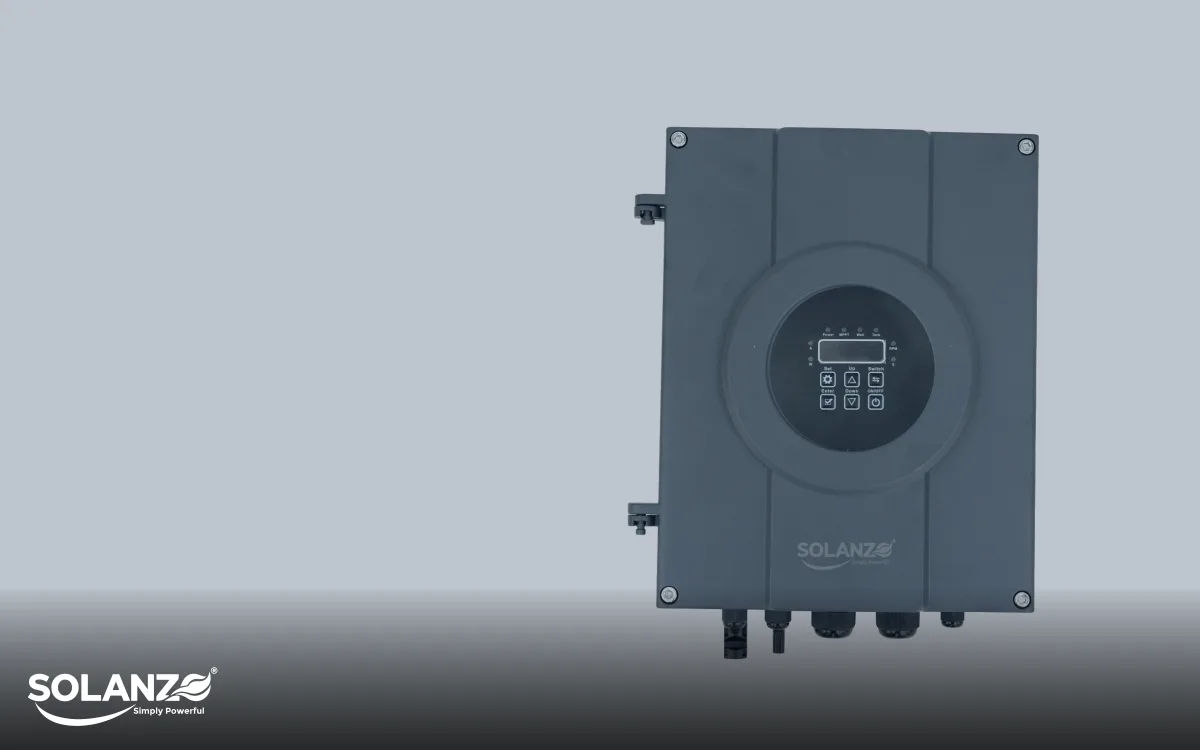
- A controller that can take a signal. Schedule by tariff windows, respond to price feeds or simple time-of-day rules; the drive needs to accept the instruction, whatever its source.
- Storage sized for the shift. Flexibility is only worth what the tank can hold; there is no cheap electricity at noon if there is nowhere to put the water it pumps.
- Protection that follows duty changes. A pump running new hours still needs the same dry-run and cycle protection.
Water storage has always been the cheapest battery. Dynamic tariffs are simply making that visible on the electricity bill.