

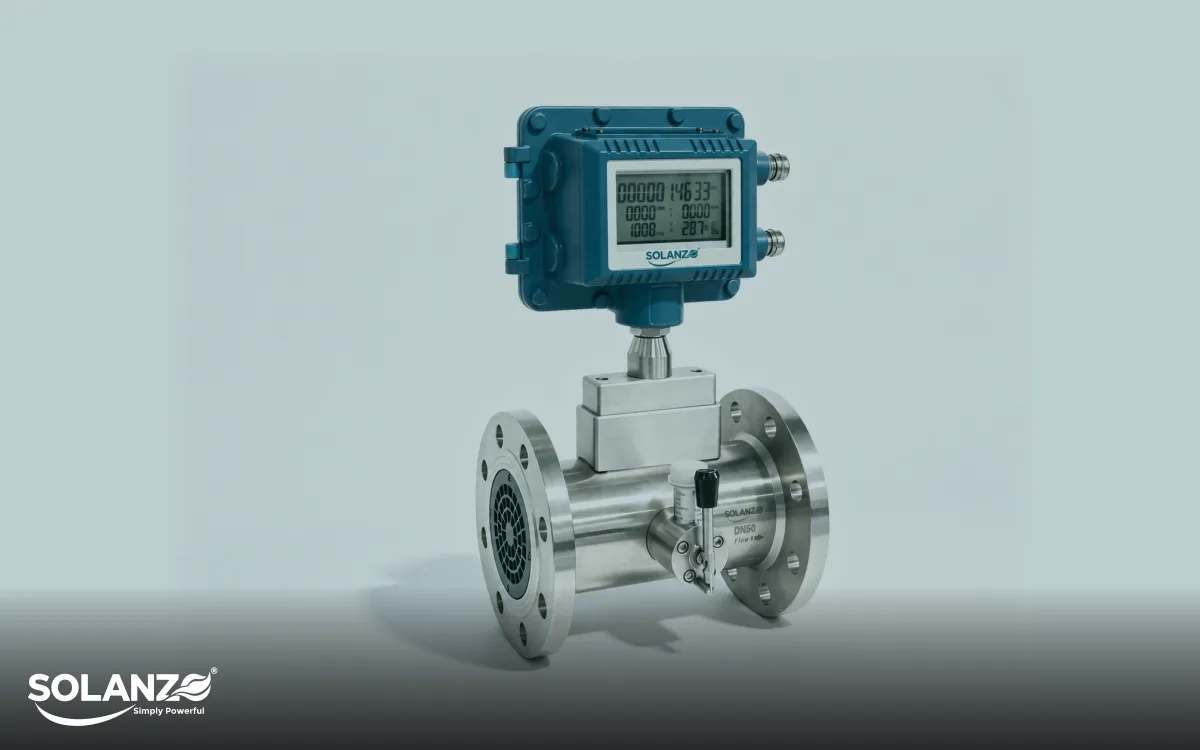
Most flowmeters measure for information; billing meters measure for money. The difference sounds abstract until a utility bills millions of cubic metres a year on the strength of one instrument, and the stakes change the selection criteria completely.
Accuracy that has to hold, not just start
Billing duty demands accuracy that survives years of service, not just the factory calibration. That shifts the specification: a mechanical meter that drifts a few percent over its life costs real revenue every year, while an electromagnetic meter's stability across the whole flow range keeps the invoice honest long after the purchase premium is forgotten.
What "billing grade" actually requires
- Metrological certification: MID or OIML compliance for custody transfer duty, not just a manufacturer's accuracy claim.
- Low-flow performance: revenue lives in the trickles as much as the peaks; turndown and low-flow cut-off decide what gets missed.
- Stability and traceability: verification schedules and the ability to prove accuracy in dispute are part of the product.
- Full-bore reliability: no moving parts means no wear drift and no debris-related failures skewing the register.
The economic argument
A one percent measurement error on a large supply is a large number at year end. Billing-grade instruments cost more; billing-grade errors cost more still. For measurement that decides revenue, buy the instrument that keeps its accuracy, not just the one that starts with it.