

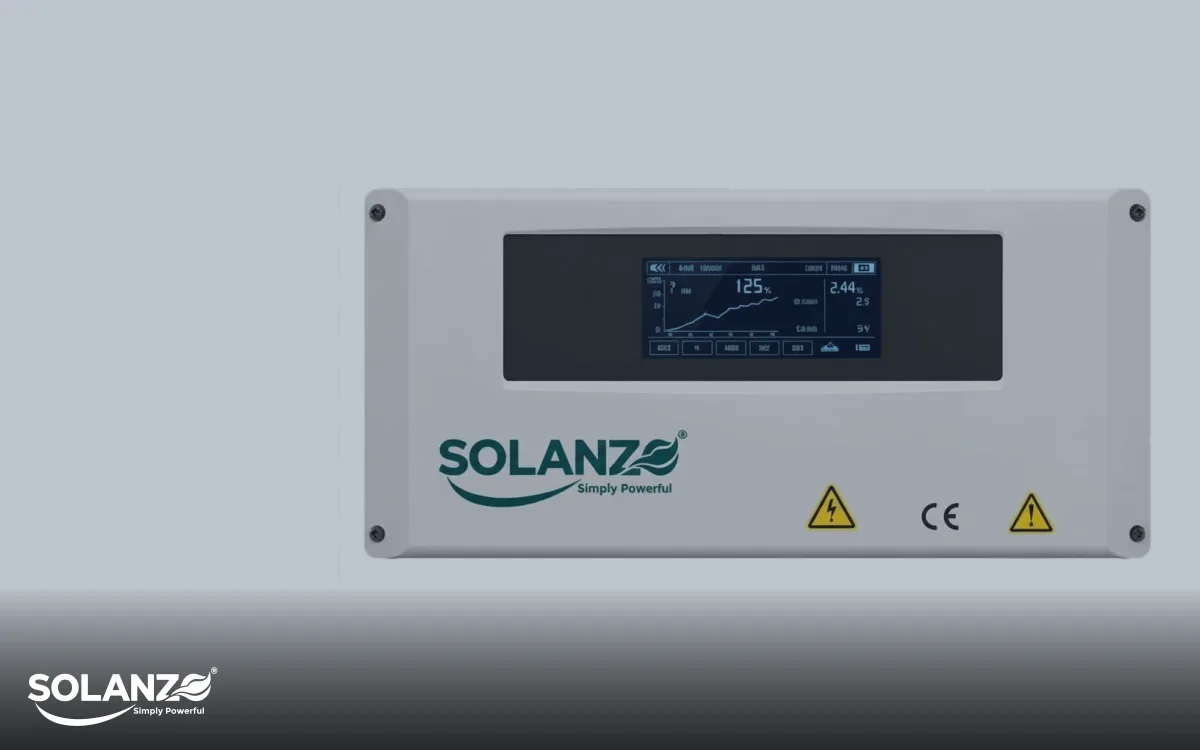
Remote monitoring used to mean watching one pump station. The installs we support now increasingly report into a common platform, and managing dozens of sites from one screen reveals things no single station ever showed.
Comparison is the real tool
A fleet teaches you what "normal" looks like. When forty similar pumps run forty slightly different current signatures, the outliers become obvious: the unit trending high is not faulty yet, it is simply measurably different from its siblings, and that difference usually traces to fouling, wear or a supply problem before anyone would have called it a fault.
Maintenance stops being calendar-driven
Fleet data replaces estimated service intervals with actual duty: runtime, starts, load profiles. Two identical pumps on different sites can need service a year apart; the calendar had no way of knowing that. Service goes where the hours are.
What fleet monitoring is not
A replacement for the three measurements that matter: current, discharge pressure and runtime still catch most problems. Fleets add context, not complexity for its own sake. And they demand discipline in who receives the alerts, because an alert nobody owns is an alarm that gets muted.
The direction is clear: the pump station is becoming a node in a dataset, and the dataset is getting better at predicting the next service date than the calendar ever was.