

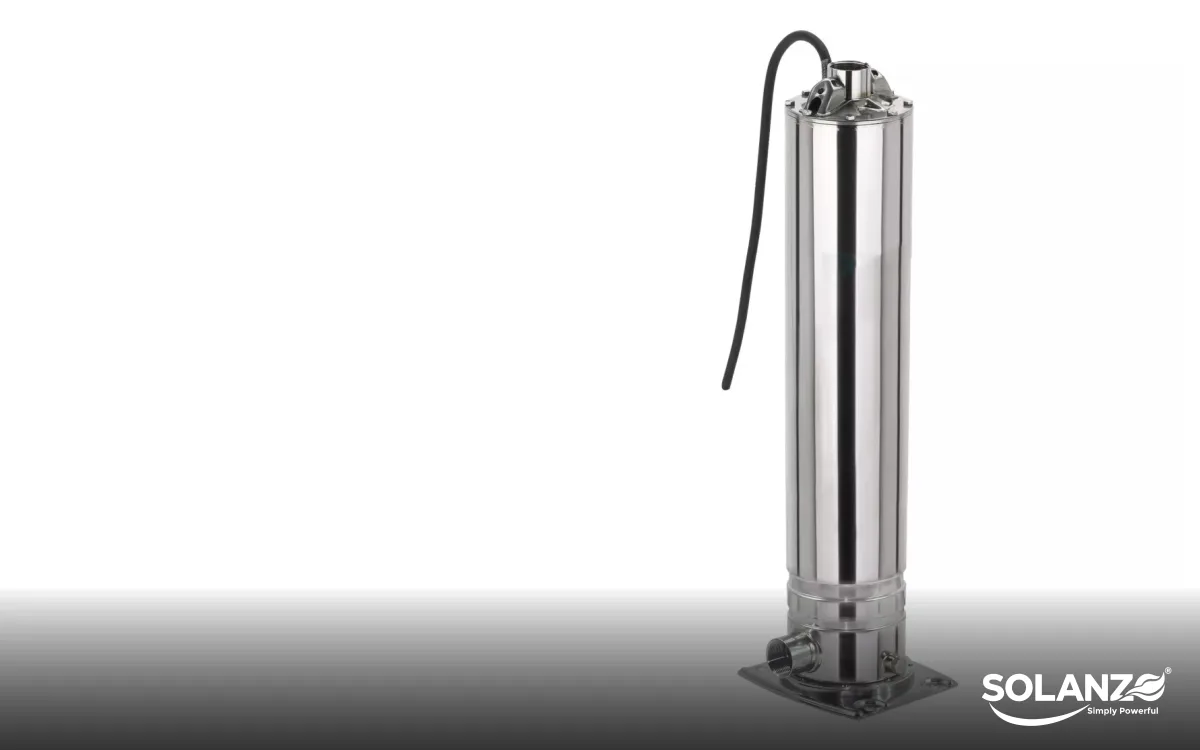
Lead times across the industry have stretched this year in ways we have not seen before: motors, electronics, castings, freight. A seal kit that took a week now takes weeks, and the honest response is not optimism but inventory.
What belongs on your shelf
The parts that fail are predictable: mechanical seals, capacitors on single-phase motors, pressure switches, float switches, and the bearings and impellers on heavily loaded machines. None of these are expensive. All of them convert a multi-week outage into an afternoon repair.
The economics are lopsided
A spare-parts kit costs a fraction of one emergency callout, let alone the downtime of a water supply that cannot wait. For operators of critical systems, farms at irrigation peak, buildings that cannot close, remote sites with long logistics, the question is not whether to stock spares but which ones. Match the stock to the wearing parts list of your specific models, and store the documentation with the parts.
What we are doing
We have expanded regional parts stocks through our partner network and lengthened our own planning horizon on components. The supply situation will normalise eventually; the discipline of having the part before it fails should not.