

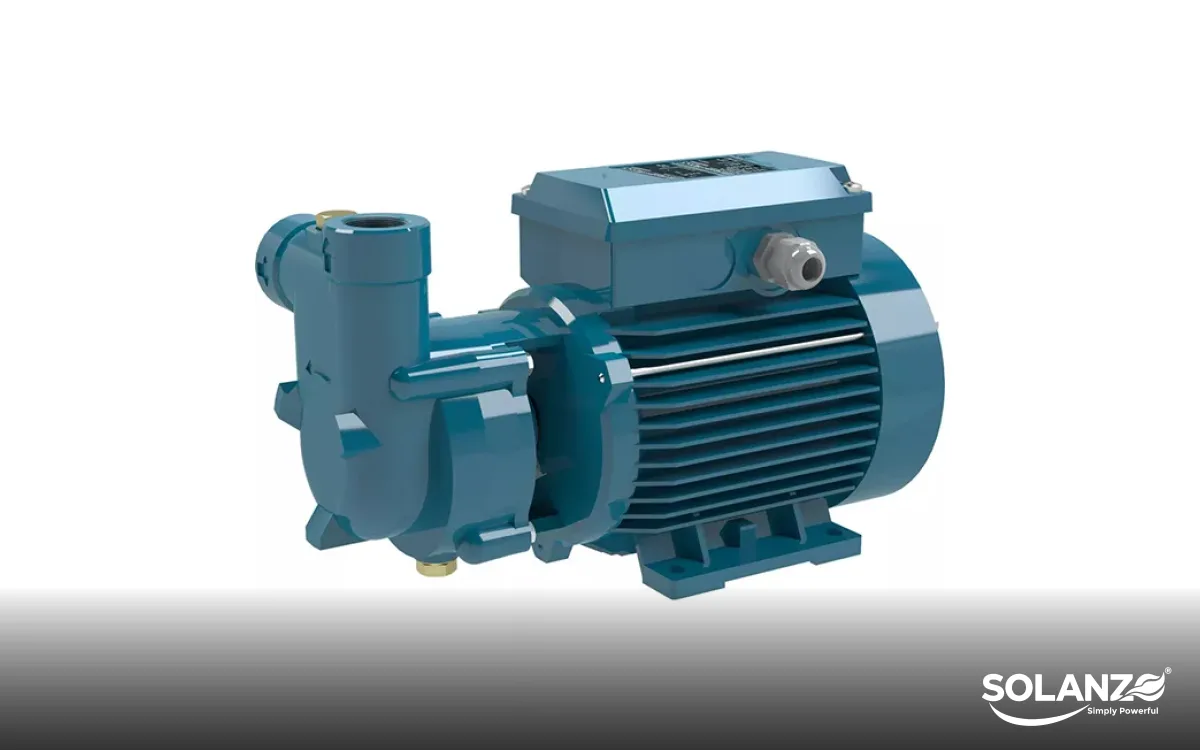
If your pump clicks on, runs for two seconds, clicks off and repeats, something is wrong and it is probably not the pump. Short-cycling is the fastest way to kill a good motor, and the cause is almost always the pressure vessel.
What should happen
A pressure system stores water under an air cushion. When you open a tap, the vessel supplies water while pressure falls; only when the cushion is spent does the pump start, and it then refills the vessel while serving the tap. Draw a glass of water and the pump should not even notice. That is the design.
What goes wrong
- Lost air charge. The vessel's air slowly dissolves into the water. Without it there is no cushion, so every tap triggers the pump and the pressure collapses instantly when it stops. Check the pre-charge yearly; it should sit about 0.2 bar below the pump's cut-in pressure.
- Ruptured diaphragm. The membrane separating air from water fails and the vessel becomes a steel pipe full of water. It cycles the pump just as fast.
- Vessel too small. A tiny tank on a big pump gives seconds of buffer. Size the vessel to the pump's flow, not to the space on the wall.
- A leak somewhere. A dripping cistern or weeping joint mimics demand and keeps the pump starting all night.
Every start is a surge of current and a mechanical jolt. A pump cycling thirty times an hour is dying on a schedule. Fix the cushion, not the pump.