

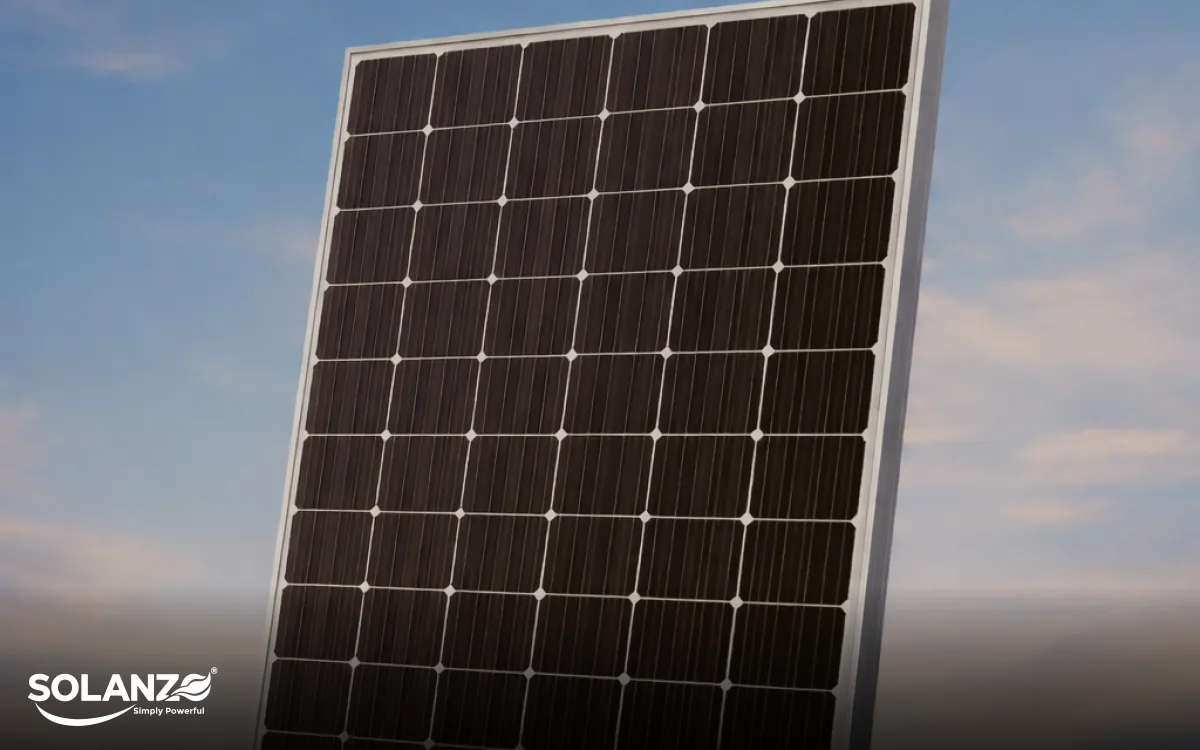
If you priced a solar pumping system two or three years ago and shelved it as too expensive, get the quote redone. Module prices have roughly halved since 2010, and the systems that did not pencil out then often do now.
What is driving the fall
Manufacturing scale, mostly. Global production has grown faster than demand for several years, and the efficiencies that used to belong to premium panels are moving into standard product. The result for a farm is not a marginal improvement; it is a different decision.
What has not changed
The rest of the system. Pumps, controllers, structure, cabling and labour cost what they cost. The array was the expensive line item, which is why the module price fall moves the whole project rather than just a fraction of it. In our current agricultural quotes the panels are often less than a third of the installed price, where five years ago they were over half.
Where the new math works first
Off-grid sites still win fastest, since the alternative is diesel delivered by road. But the most interesting shift is grid-connected farms adding solar for daytime pumping: with the array this cheap, the payback shortens to a handful of seasons and the grid becomes backup rather than the engine.
Prices this low will not be obvious forever; policy and tariffs move. If the business case failed on module cost alone, it is worth ten minutes of arithmetic again.