

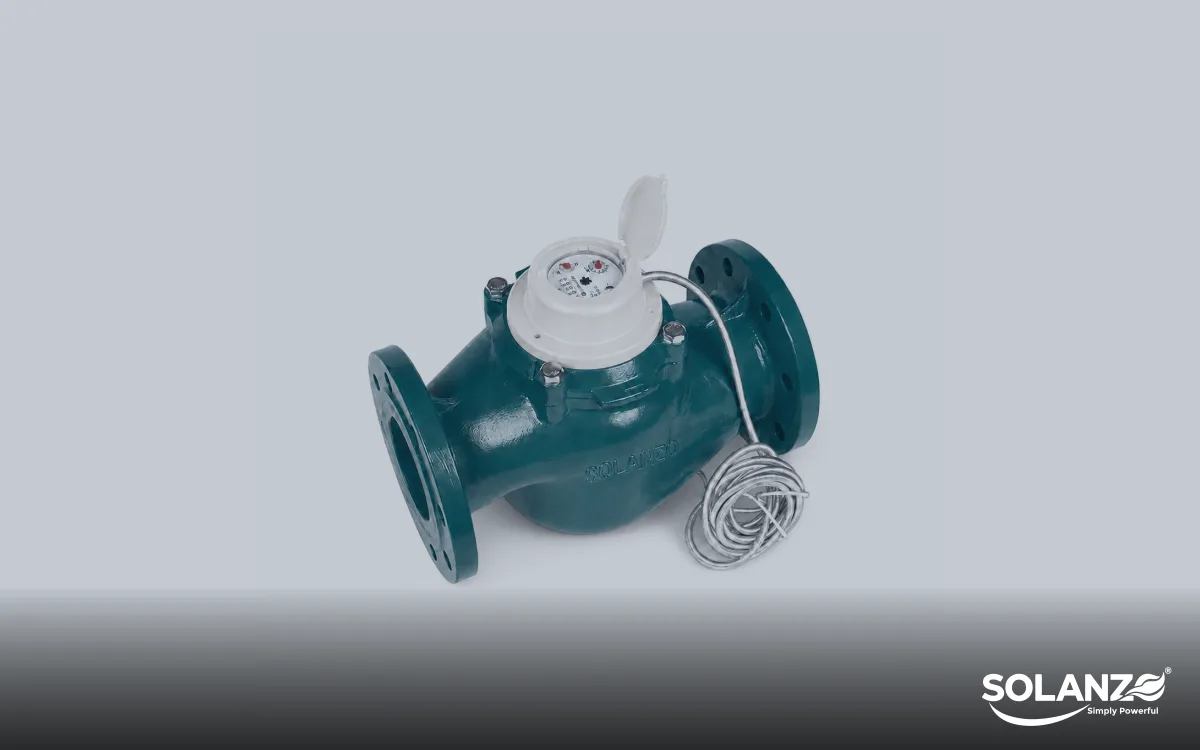
A decade ago, remote meter reading was a pilot project. Today, the utilities we work with are completing second-generation rollouts, and the lessons from hundreds of thousands of connected endpoints have settled into a short list.
The communication choice mattered less than expected
M-Bus wired loops, LoRaWAN, NB-IoT: each technology found its territory. Wired remains unbeatable inside buildings, the radio standards won the scattered and rural meters. The successful utilities chose per district and density rather than searching for one technology to win everywhere.
Data discipline decided the outcome
The rollouts that paid back were the ones that acted on what the meters reported: night-flow analysis feeding leak crews, anomaly alerts reaching billing teams, consumption data closing the gap between produced and sold water. The utilities that collected without acting ended up with very accurate records of money still being lost.
The savings arrived in unexpected places
Reading labour was the obvious return, but the larger wins were structural: non-revenue water reduced by continuous measurement, billing disputes collapsing when the meter speaks with timestamps, and deferred capital spending when accurate demand data replaced guesswork.
The pattern after a decade is clear: the meter is the easy part. The value is in building the organisation that listens to it.