

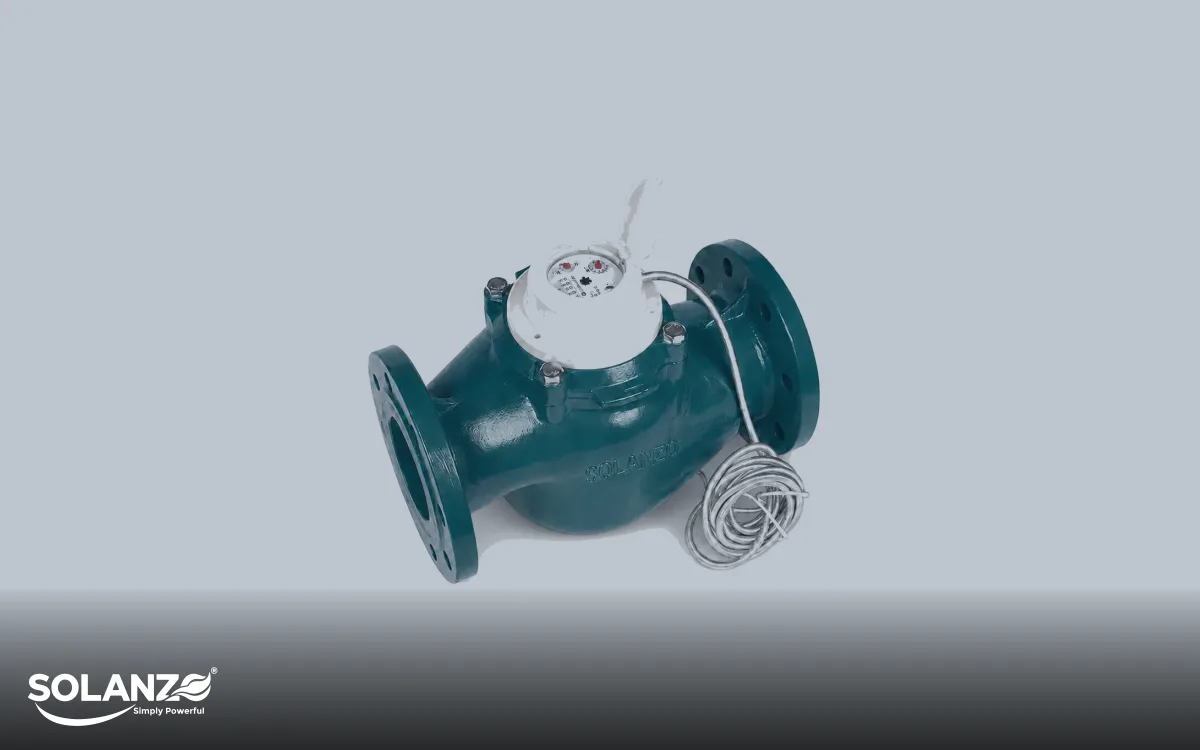
For a decade, remote meter reading meant wired buses for apartment blocks and drive-by radio for the rest. Two technologies standardised over the past year are changing that: LoRaWAN and NB-IoT, the latter only frozen by 3GPP this June. Both promise the same thing: battery-powered meters that report for years over kilometres, without a cable.
Why they matter
The expensive part of remote reading was never the electronics; it was the infrastructure. A wired M-Bus loop is superb inside a building and useless to a meter in a field. LoRa and NB-IoT run for years on a battery, reach kilometres in open country and penetrate basements that defeated older radio meters. Rural and scattered meters finally have an economics that works.
LoRa or NB-IoT?
- LoRaWAN runs on a private network the utility or a partner deploys. No operator dependency, full control, but you own the gateways.
- NB-IoT rides existing cellular networks, with deep indoor penetration designed in. No infrastructure to build, but coverage and operator pricing decide viability.
Wired buses remain the right answer inside dense buildings: no batteries, no coverage questions. But for everything beyond the building's walls, wireless reading has finally grown up. Utilities planning meter replacement programmes this decade should pilot both before committing either way.